Section 10A of Companies Act, 2013 – Commencement of Business Explained Simply
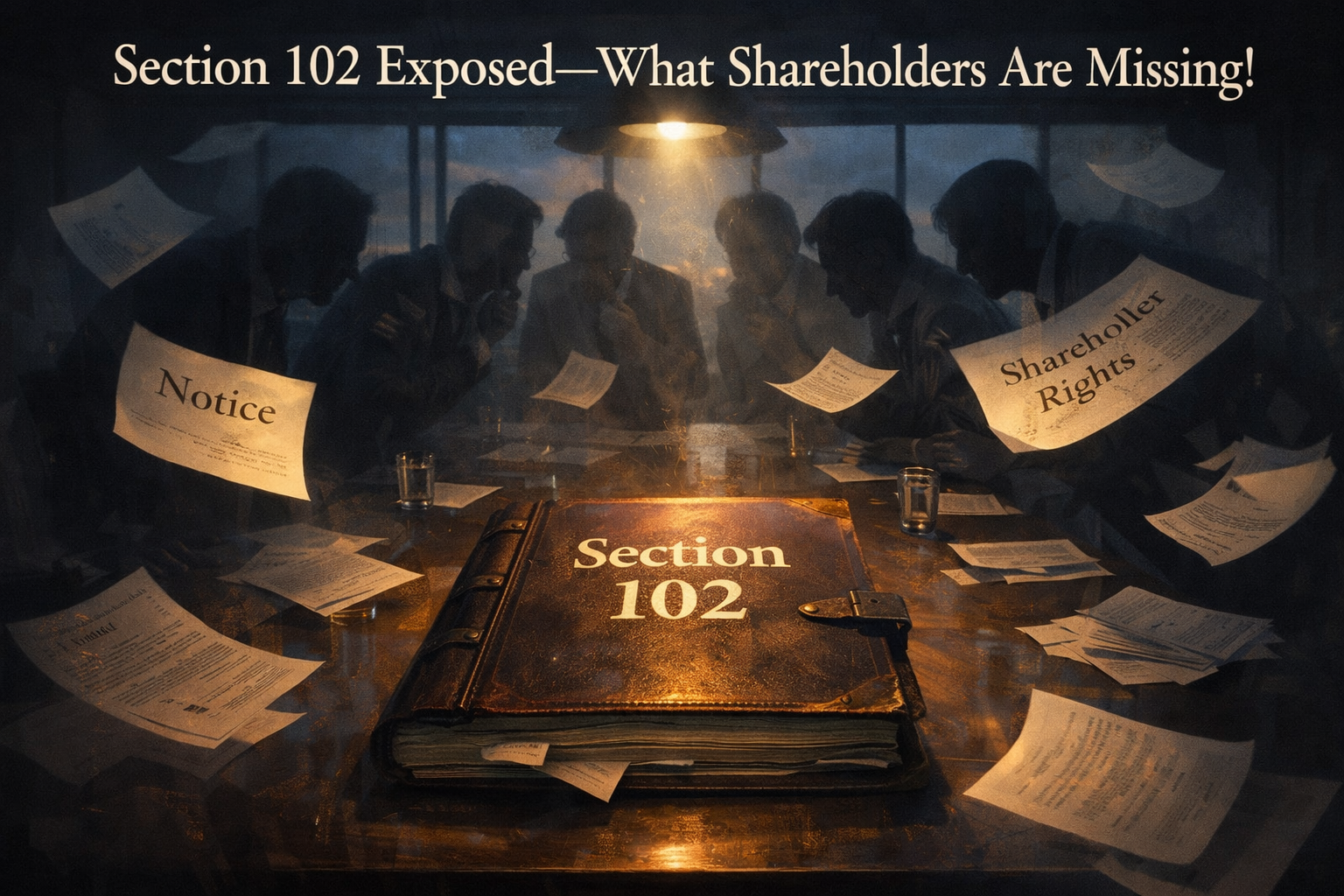
Starting a company is exciting, but before any real work begins, the law expects a few things to be in place. One of the most important checkpoints for new companies is Section 10A. This provision was introduced by the 2019 Amendment, mandates that new companies with share capital must file a declaration (Form INC-20A) with the Registrar of Companies (ROC) within 180 days of incorporation, confirming that all subscribers have paid their share value and the registered office details are verified, before they can start business or borrow money.
In simple words, no declaration, no business.
No borrowing.
No contracts either.
The section is officially titled 10A. Commencement of business, etc, and it applies the moment a company with share capital comes into existence under the Companies Act.
Why Section 10A Was Introduced
Before this rule came in, many companies were incorporated only on paper. No capital paid. No real office. Still, they existed legally. That created a mess.
Section 10A fixes that problem.
It outlines the essential requirements for newly incorporated companies, making sure that the company is genuine before it starts operating. The law wants proof that shareholders have actually invested money and that the company has a real, traceable address.
Only after this check does the ROC allow the company to move forward.
What a New Company Must Actually Do
The process itself isn’t complicated, but skipping it can be dangerous.
A newly incorporated company must:
-
File Form INC-20A
-
Do it within 180 days of incorporation
-
Confirm that all subscribers have paid their share capital
-
Ensure the registered office has already been verified
Once the ROC accepts this declaration, the company is free to operate normally.
Until then, it’s legally stuck.
What Happens If You Ignore Section 10A?
This is where many founders slip up.
The Consequences of Non-compliance of Section 10A are not light. If the declaration is not filed within 180 days:
-
The company cannot legally start business
-
Borrowing money becomes illegal
-
Directors may face penalties
-
The ROC can even initiate action to strike off the company
Apart from legal trouble, it also damages credibility. Investors, banks, and vendors usually check this compliance before engaging.
Why Section 10A Matters for Startups and New Businesses
Section 10A forces discipline right from day one. It ensures capital is real, addresses are verified, and companies don’t exist just on paper.
For founders, it’s a reminder that incorporation is not the finish line. Compliance is part of doing business. Getting this step right makes everything else—funding, contracts, growth—much smoother later on.
Quick Takeaways (No Legal Language)
-
Section 10A applies to companies with share capital
-
INC-20A must be filed within 180 days
-
Business and borrowing are blocked until filing is done
-
Non-compliance leads to penalties and restrictions
-
It ensures a clean, compliant start under the Companies Act
If you’re unsure about filing INC-20A or want to make sure your company has cleared all post-incorporation requirements properly, Callmyca.com can help you stay compliant and avoid unnecessary trouble right at the start.