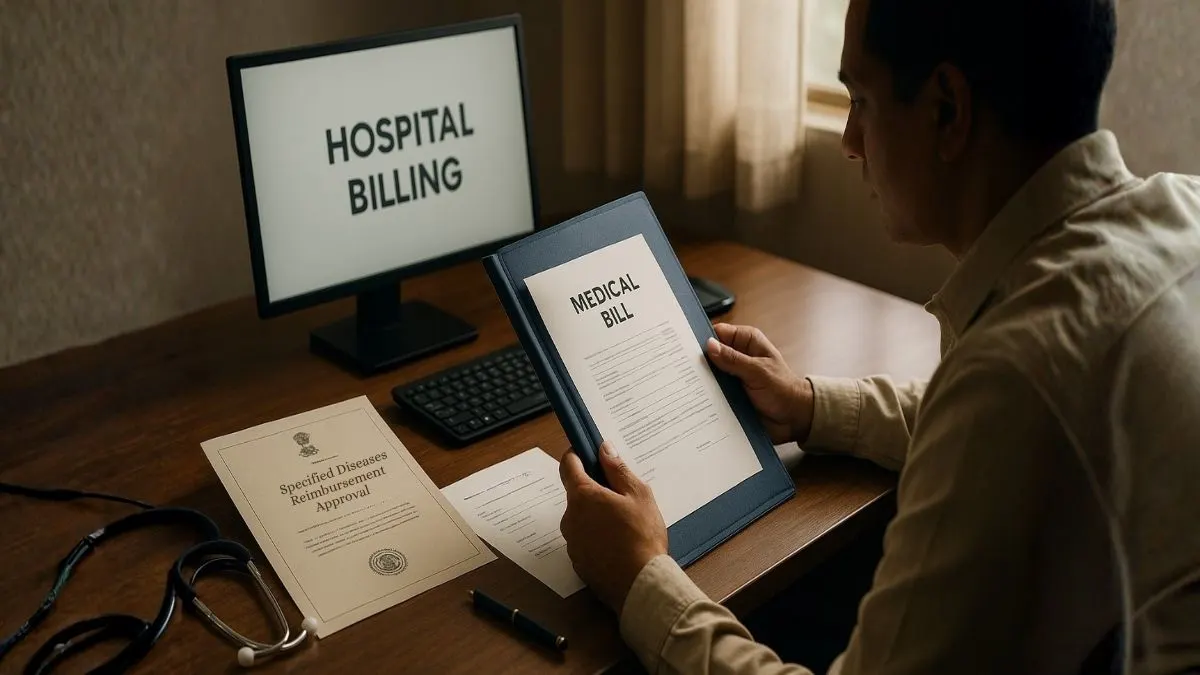
Tax laws occasionally address real human concerns, not just numbers & filings. Rule 11DD is one such provision. It exists to identify specific diseases for which medical expenditure qualifies for deduction under Section 80DDB. Without this rule, the benefit would be open-ended, uncertain and vulnerable to interpretation disputes.
This clarity matters because critical illness treatment in India can drain personal savings rapidly. A defined list ensures certainty for taxpayers & uniformity for tax authorities.
What Rule 11DD Covers
Rule 11DD officially lists serious illnesses that qualify for tax relief. These are conditions where treatment is specialised, prolonged, and often financially demanding. Typical categories include:
- Malignant cancers
- Chronic renal failure requiring dialysis or transplant
- Certain severe neurological disorders"
- Hematological conditions like thalassemia or hemophilia
- AIDS
The list has evolved with medical & policy developments, but the principle remains consistent: tax relief for life-threatening, high-expense medical situations.
How Section 80DDB and Rule 11DD Work Together
- Section 80DDB provides the deduction.
- Rule 11DD defines the illnesses & medical authority certification.
To claim the benefit, the taxpayer must submit a certificate from a recognised specialist or specified medical authority. This system avoids subjective assessment & ensures the deduction goes to genuine cases.
Also Read: Tax Benefits for Families of Persons with Disabilities
Illustrative Scenario
A taxpayer whose dependent undergoes dialysis for chronic kidney failure incurs substantial treatment costs. Under Section 80DDB read with Rule 11DD:
- The disease qualifies
- A certificate from a nephrologist or authorised government medical specialist is required
- Deduction is allowed up to the statutory limit based on the patient's age
This framework combines relief with procedural guardrails.
Administrative Rationale
Rule 11DD was not created to expand benefits indiscriminately. It was created to target relief, protect genuine taxpayers, & prevent misuse. Precision in eligibility ensures the benefit reaches those who need it most, while keeping compliance straightforward for tax officers.
When laws strike that balance, they work over time — and this one has.
Broader Policy Lens
India’s tax system often pairs relief provisions with definition rules to maintain clarity. Here, Rule 11DD performs the definitional role. The concept sits in the same legislative philosophy as research-related deductions in the Act, where the law allows deductions for expenditure of a capital nature on scientific research and provides for a deduction of expenses incurred on scientific research and development activities, guided by clear qualifying criteria.
Both themes reflect a commitment to social welfare & structured public policy.
Also Read: Diseases Covered Under Section 80D of the Income Tax Act: Health, Tax Benefits & More
Key Points to Remember
- Rule 11DD defines diseases eligible for Section 80DDB deduction
- Relief applies to individuals & HUFs
- Certificate from approved specialist required"
- Deduction limits depend on the patient's age
- Purpose: targeted support for critical illness treatment
Conclusion
Rule 11DD is precise, purposeful, and compassionate in design. It serves taxpayers confronting serious health challenges while safeguarding the tax system from ambiguity. Understanding it ensures that eligible families can claim relief without uncertainty or disputes.
If you are navigating a medical deduction claim or planning your ITR with Section 80DDB considerations, you can consult our experts at CallMyCA.com to ensure documentation & filing are handled correctly — accuracy here directly protects your benefit.