The Income Tax Act, 1961 contains multiple provisions to ensure tax compliance in India. Among them, one of the most important mechanisms is Tax Collected at Source (TCS). Instead of waiting for individuals to declare income later, the government ensures tax is collected upfront at the time of specified transactions.
Section 6CR of the Income Tax Act deals with the collection of TCS. It requires sellers to collect a certain percentage of tax from buyers on notified goods or services & deposit it with the government. This system creates transparency, reduces tax evasion, and improves revenue flow for the government.
What is TCS under Section 6CR?
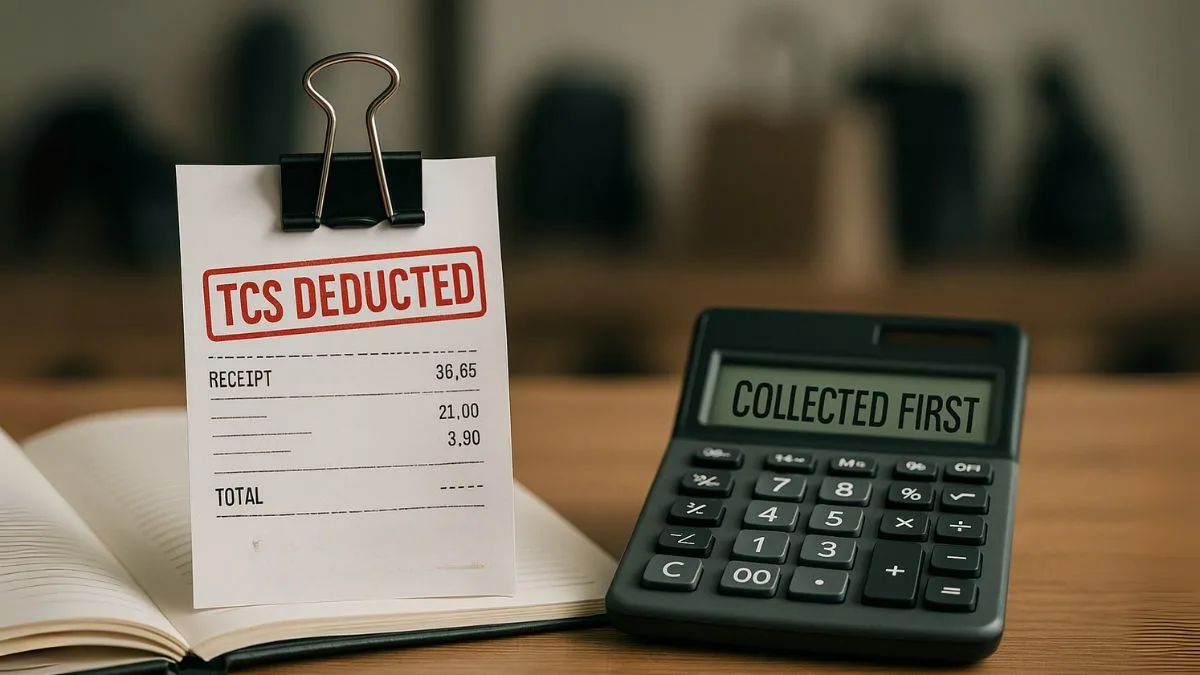
Tax Collected at Source (TCS) is a tax collected by the seller from the buyer at the point of sale. Later, the seller deposits this tax with the government.
For example:
- A seller selling scrap worth ₹5 lakh must collect TCS at the applicable rate from the buyer & deposit it with the Income Tax Department.
- The buyer receives credit of this TCS, which can be adjusted against their final tax liability.
Thus, Section 6CR of Income Tax Act deals with the collection of Tax Collected at Source (TCS) on specific goods and services.
Applicability of Section 6CR – When Does TCS Apply?
TCS is applicable only on certain specified transactions. Common examples include:
- Sale of scrap.
- Sale of minerals like coal, iron ore, and lignite.
- Sale of tendu leaves or timber.
- Sale of motor vehicles above a certain value.
- Overseas remittances & foreign travel packages (introduced later as an extension of TCS).
In each of these cases, the seller is bound to collect tax from the buyer & remit it.
Also Read: The New Tax Exemption Rule for Specified Authorities
Importance of Section 6CR
The section plays a vital role in tax compliance:
- Ensures tax is collected early in the transaction cycle.
- Reduces tax evasion & under-reporting of income."
- Helps the government keep track of high-value purchases.
For taxpayers, it means they cannot avoid declaring such transactions because the TCS collected will reflect in their tax records.
Example to Understand TCS
Let’s take a practical scenario.
A motor dealer sells a car worth ₹15 lakh. Under TCS provisions, he must collect tax (say 1%) = ₹15,000 from the buyer. The buyer pays ₹15,15,000 in total. The seller then deposits ₹15,000 with the Income Tax Department under the buyer’s PAN.
When the buyer files his income tax return, he can claim this TCS amount as a credit against his total tax liability.
Section 6CR and PAN Requirement
Similar to other compliance sections, TCS under Section 6CR is linked with the buyer’s PAN.
- If PAN is not furnished, the seller may be required to collect TCS at higher rates.
- This aligns with provisions like Section 206CC, ensuring transparency in reporting.
Link with Other Provisions of the Income Tax Act
While Section 6CR focuses on TCS, taxpayers also encounter other important provisions:
- Sukanya Samriddhi Yojana income tax section – gives deductions for deposits in Sukanya accounts.
- Section 86 of Income Tax Act – deals with taxation of share in AOP income.
- Section 10(46a) of Income Tax Act – exempts income of certain notified bodies.
- Section 15H of Income Tax Act – allows senior citizens to avoid TDS with declarations.
Together, these provisions balance between compliance requirements & taxpayer benefits.
Also Read: Taxation on Share of Income from AOPs/BOIs
Deductions for Scientific Research
The Income Tax Act allows for deductions while computing taxes for expenses relating to scientific research. This includes:
- Deduction of expenses incurred on scientific research & development activities.
- Deduction for expenditure of a capital nature on scientific research.
- Provisions that allow taxpayers to claim deductions for innovation-based expenses.
This shows how while Section 6CR ensures compliance through TCS, the law also incentivizes taxpayers through deductions for innovation & development.
Penalty for Non-Compliance under Section 6CR
If a seller fails to collect TCS or deposit it with the government:
- The seller may face penalties equal to the amount of tax not collected."
- Interest will be charged from the date of default.
- Buyers may face issues in getting proper credit if compliance is not ensured.
Hence, timely collection & deposit of TCS are critical.
Humanized Perspective – Why Section 6CR Matters to You
For small business owners, Section 6CR may feel like an added compliance burden. However, it actually safeguards them by ensuring every high-value sale is documented & linked to the buyer’s PAN.
For buyers, this means additional cash outflow upfront. But since the amount is credited in their tax records, they don’t lose out—it adjusts against final liability.
In a way, TCS is a “prepaid tax” that keeps the ecosystem clean & transparent.
Also Read: Sukanya Samriddhi Yojana: Triple Tax Benefit Under Section 80C
Conclusion
Section 6CR of Income Tax Act deals with the collection of Tax Collected at Source (TCS). It ensures sellers collect tax on specified transactions & deposit it with the government. Buyers, in turn, get credit of this tax in their records.
From sale of scrap to luxury cars and foreign remittances, TCS provisions cover diverse areas, strengthening tax compliance in India. At the same time, the Act provides relief through other sections like deductions for scientific research, Sukanya Samriddhi Yojana section, Section 86, Section 10(46a), and Section 15H.
👉 Don’t let TCS compliance under Section 6CR confuse you. Get expert help in managing TCS, TDS, and income tax filings with ease. Visit Callmyca.com – your trusted partner for smart tax solutions.