Tax laws can be complex, but when it comes to prosecution under the Income Tax Act, clarity becomes even more important for taxpayers & businesses. Section 292 often gets overlooked because it does not talk about tax rates, deductions, or returns — instead, it deals with something far more fundamental: who is legally allowed to hear and try tax-related offences, and what happens when a tax proceeding contains minor procedural errors.
In today’s compliance-heavy environment, where scrutiny notices, search assessments, and prosecution-triggering defaults are becoming more common, Section 292 acts like a procedural safeguard. It ensures that offences under the Act are handled by competent courts only, & that minor mistakes during proceedings do not invalidate an otherwise lawful assessment. For anyone navigating disputes, litigation, or search cases, understanding this section is essential.
What Section 292 Really Says
Section 292 of the Income Tax Act deals with the cognisance of offences — simply put, the power of courts to take notice of and try offences committed under the Act.
The section clearly states:
- No court inferior to a presidency magistrate or a magistrate of the first class can try offences under the Income Tax Act.
This ensures that tax prosecutions are handled at a senior judicial level, maintaining fairness & legal rigour. - The section also plays an important role in protecting proceedings from being invalidated due to procedural errors.
In assessments or prosecutions, certain technical mistakes may occur — a wrongly typed figure, a clerical misstep, or a procedural lapse. Section 292 stops such errors from invalidating an entire proceeding, as long as they don’t affect the substance of the case. - It also connects with the broader framework of block assessment in a search case, preserving the validity of search-related proceedings unless the error materially affects the outcome.
The purpose is simple: protect both the system & the taxpayer from unnecessary litigation caused by minor lapses.
Why This Section Matters for Taxpayers & Businesses
At first glance, Section 292 may look like an internal procedural guideline meant for courts & the income tax department. But its impact on taxpayers is significant, especially in situations involving prosecution, search assessments, or disputes.
Here’s why it matters:
✔ Ensures your case is heard by the right authority
When prosecution is proposed — for willful concealment, non-filing of returns, false statements, or TDS defaults — Section 292 ensures that only a senior magistrate can try your case. This protects the taxpayer from arbitrary or inexperienced judicial handling.
✔ Prevents misuse of lower courts
By restricting jurisdiction, the law avoids situations where tax cases land in courts unfamiliar with revenue matters.
Also Read: Validity of Returns, Assessments, and Proceedings
✔ Guards against invalidation of proceedings due to technical defects
If the department issues an assessment order with a procedural error, it won’t be thrown out unless that error affects your substantive rights."
This avoids unnecessary litigation for clerical or mechanical errors.
✔ Supports search and block assessment cases
In search matters, numerous procedural steps are involved — panchnama, recording of statements, valuation, & assessment. Section 292 helps protect such proceedings from collapsing over minor inconsistencies.
For taxpayers facing reassessment, search, seizure, or prosecution, this provision acts like stabilising support in the background.
How Section 292 Works During Prosecution
Prosecution under the Income Tax Act is serious — involving fines, penalties, and even imprisonment. Before a case reaches court, the department follows a layered approval system. But once the matter is ready for prosecution, Section 292 determines which court has the authority to take cognisance.
Only these courts can hear tax prosecution cases:
- Presidency Magistrate
- Magistrate of the First Class
No junior court can accept or handle such cases, ensuring:
- Judicial competence
- Proper understanding of tax law
- Fair evaluation of evidence
- Better protection of taxpayer rights
Whenever a prosecution is mechanically or mistakenly filed in a lower court, Section 292 protects the taxpayer. Such proceedings cannot continue & are legally invalid.
Interaction with Block Assessment in Search Cases
Search assessments involve multiple layers of documentation, timelines, & compliance rules. Section 292 plays a supporting role here by ensuring:
- Minor mistakes or clerical errors do not invalidate the entire block assessment.
- Proceedings remain intact even if there are procedural irregularities, as long as they don’t materially impact the taxpayer.
This is important because search assessments often run into hundreds of pages of documentation, making them prone to minor defects.
Common Practical Scenarios Where Section 292 Becomes Relevant
Scenario 1: Prosecution for false statements
A business is charged for submitting a misleading declaration. The case must be filed before a magistrate of the first class — any court below this rank cannot take cognisance.
Scenario 2: Assessment order contains a clerical error
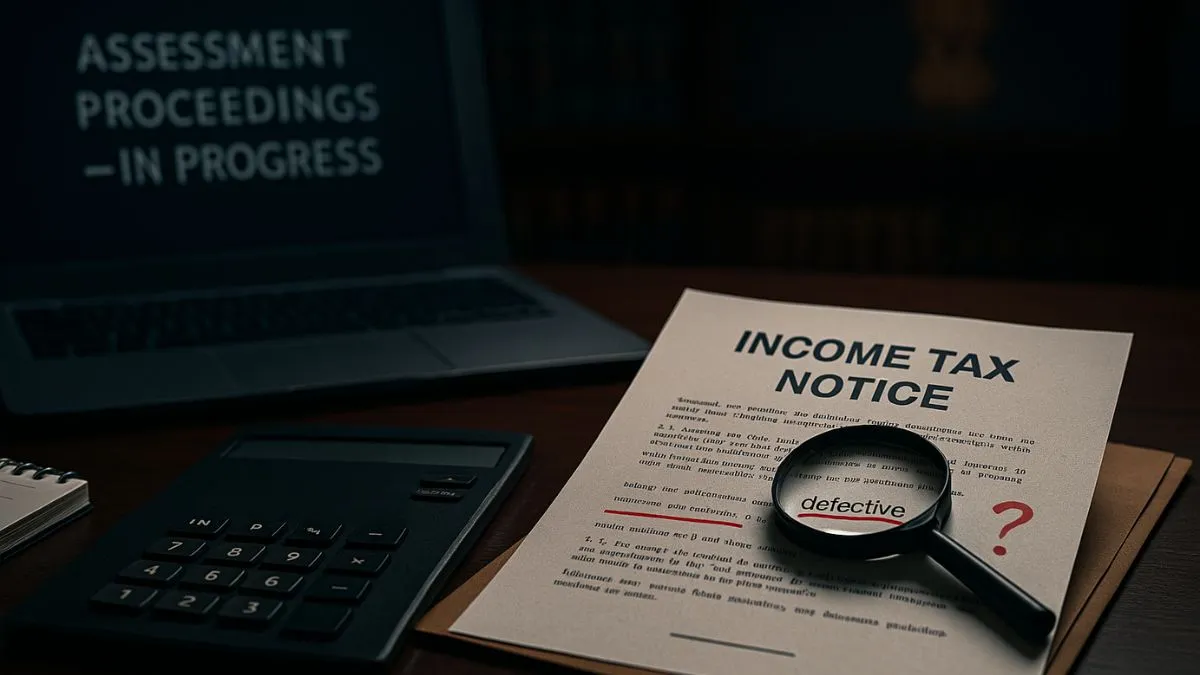
The wrong PAN is typed or a minor date mismatch occurs. Section 292 avoids invalidation unless it materially impacts the case.
Also Read: What Happens When Undeclared Books or Assets Are Found
Scenario 3: Search case documentation has procedural lapses
A missing signature or format discrepancy will not collapse the entire block assessment unless it affects substantive rights.
Scenario 4: A case is mistakenly filed in a lower court
Section 292 ensures dismissal because the lower court has no jurisdiction.
Why Section 292 Is Important in Today’s Compliance-Heavy Environment
With increasing use of AIS, TDS analytics, GST–income tax data integration, and automated scrutiny selections, more businesses find themselves dealing with assessments & potential prosecution triggers.
Section 292 ensures:
- Legal protection during procedural slips
- Fair judicial jurisdiction"
- Stability in assessment & search proceedings
- Reduced frivolous litigation
In a system where small mistakes can snowball into large proceedings, this section acts as a balancing tool.
Conclusion
Section 292 of the Income Tax Act may seem procedural, but its role is foundational. It determines which court can hear income tax offences, ensures proceedings remain valid despite minor errors, & supports block assessment mechanisms in search cases. For taxpayers, this means better judicial protection, fewer invalid prosecutions, and assurance that legal processes remain fair and structured.
Need help with scrutiny, notices, search cases, or prosecution matters? Our expert CA team at CallMyCA.com can review your case, validate timelines, handle submissions, & protect your rights at every step. Your solution is just one click away.