Every Indian taxpayer looks for smart, lawful ways to reduce tax. Chapter VI-A isn’t a loophole; it’s a reward. It recognises that people who invest in their future, protect their health, or support social causes deserve some relief.
Section VI-A of Income Tax Act collects dozens of deductions under one umbrella — from insurance premiums to pension plans. It offers taxpayers the opportunity to reduce their tax burden while helping the government channel savings into productive sectors like housing, healthcare, and retirement.
What Does Section VI-A Cover?
Think of it as a menu of deductions you can choose from. The chapter allows taxpayers to claim deductions from their gross total income before tax is calculated. These deductions apply after aggregation of income & set off or carry forward of losses, so that only your true taxable income remains.
Both individuals and Hindu Undivided Families can claim these benefits. The idea is simple — you earn, you save or spend responsibly, and you pay tax only on what’s left.
Section 80C – The Starting Point for Every Saver
Most people begin their tax planning here. Under Section 80C, you can deduct up to ₹1.5 lakh for eligible investments:
- Employee Provident Fund (EPF) & Public Provident Fund (PPF)
- Life-insurance premiums
- Equity-Linked Saving Schemes (ELSS)
- Principal repayment of a home loan
- Children’s tuition fees
For most salaried professionals, these alone can reduce the tax payable by tens of thousands.
Section 80CCD – Planning for Retirement
If you invest in the National Pension System (NPS), Section 80CCD offers more breathing room.
- You can claim an extra ₹50,000 under 80CCD(1B) — in addition to the ₹1.5 lakh limit of 80C.
- Employers’ contributions to NPS are also deductible under 80CCD(2).
This small adjustment each month can build a secure retirement fund while trimming your current-year tax.
Also Read: Tax Deduction for Individuals with Disabilities
Section 80D – When Health and Finance Meet
Medical expenses can hit hard, so the law provides relief.
- Deduct up to ₹25,000 for health-insurance premiums for yourself, spouse, and children.
- Add ₹50,000 more if you also cover senior-citizen parents."
Preventive check-ups worth ₹5,000 are included within these limits. Staying insured saves both money & peace of mind.
Section 80TTA – Don’t Ignore Your Savings Interest
Interest from savings accounts may look small, but it’s still income.
Section 80TTA provides a deduction of up to ₹10,000 on interest earned from banks or post-office accounts.
Senior citizens get an even higher limit of ₹50,000 under 80TTB. For young earners, 80TTA is a simple way to avoid paying tax on everyday savings.
Section 80E and 80G – Education and Empathy
If you pay interest on an education loan (for yourself or your children), you can claim it all under Section 80E for eight years straight — no upper limit.
And if you’ve donated to a charity or relief fund, Section 80G lets you deduct 50 % or even 100 % of the amount, depending on where you contributed. Your money helps others & helps you too.
Lesser-Known But Powerful Sections
- 80GGA – for contributions to scientific research or rural development.
- 80GGC – for donations to registered political parties or electoral trusts.
- 80U – fixed deductions for taxpayers with disabilities (₹75,000 or ₹1,25,000).
These may not apply to everyone, but they show how tax law supports inclusion & civic engagement.
Aggregation of Income and Set-Off Explained Simply
Before any deduction works, the Income-tax Department adds up income from every source — salary, rent, business, or capital gains. Losses from earlier years are adjusted; that’s called the set-off or carry forward of losses.
Only after this calculation can you apply deductions from Chapter VI-A. It’s like cleaning the slate before using the eraser — the law wants an accurate picture of your finances first.
Explore Tax-Saving Strategies for Salaried Employees
For employees drawing a regular salary, smart sequencing matters. Here’s what usually works best:
- Maximise 80C through EPF, PPF, or ELSS.
- Add NPS under 80CCD(1B) for an extra ₹50,000.
- Take a medical policy to claim 80D.
- Use 80TTA for bank interest.
- Check for donations eligible under 80G.
Following this order ensures you exhaust all major benefits before the year ends.
Also Read: Tax Deduction on Savings Account Interest
Why These Deductions Exist
Tax incentives aren’t handouts. They shape national habits — encouraging saving, health protection, & education. Money that flows into provident funds, insurance, or research fuels long-term growth.
So, when you invest under Section VI-A, you’re not just helping yourself; you’re indirectly investing in India’s future.
Documentation and Accuracy
Keep proofs handy:
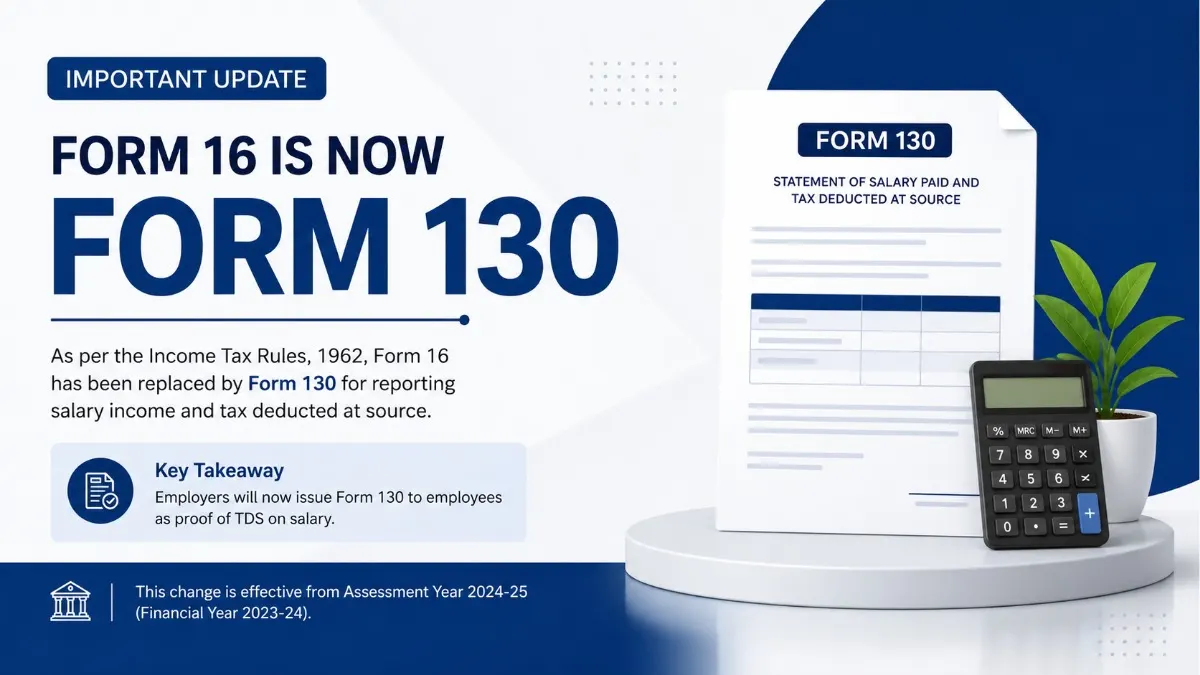
- Premium receipts, PPF slips, Form 16, bank statements, and donation receipts.
- Mention each deduction clearly in your ITR to avoid queries from the department.
Clean documentation makes assessment smooth & prevents loss of legitimate benefits.
Common Missteps to Avoid
- Missing March 31 deadlines for investments.
- Claiming both 80TTA and 80TTB together."
- Ignoring 80CCD(1B), which saves an extra ₹50,000.
- Using unverified donation receipts.
Most errors stem from rushing tax filing in March — start early & stay organised.
The Science and Purpose Link
The same logic extends to innovation. The Income Tax Act allows for deductions while computing taxes for expenses relating to scientific research. It also provides for a deduction of expenses incurred on scientific research & development activities, including expenditure of a capital nature on scientific research.
Both scientific & social investments receive tax relief because they push the country forward.
Example – How a Salaried Person Saves
Take Aditi, a software engineer earning ₹10 lakh a year.
- She invests ₹1.5 lakh in ELSS and PF under 80C.
- Pays ₹20,000 for health insurance (80D).
- Contributes ₹50,000 to NPS (80CCD(1B)).
- Earns ₹8,000 bank interest (80TTA).
Her taxable income drops to ₹7.72 lakh. The result — over ₹40,000 saved legally.
Also Read: The ₹1.5 Lakh Tax-Saving Secret Most Taxpayers Miss!
Beyond Savings — How It Shapes Behaviour
When millions of taxpayers invest through these sections, it creates steady capital for infrastructure & welfare schemes. It’s why every Union Budget reviews Chapter VI-A limits — because it affects both household cash flow and economic policy.
Final Reflection
Section VI-A of the Income Tax Act is a powerful tool — not a technical trap. It rewards anyone who plans ahead and keeps records clean. The chapter turns everyday decisions — like buying insurance or saving for retirement — into meaningful tax savings.
Whether you’re a first-time filer or a seasoned professional, knowing how to use it can change your financial trajectory.
If you want to explore tax-saving strategies for salaried employees under Chapter VI-A or check how these deductions fit your salary structure, reach out to our team at CallMyCA.com.
We’ll help you maximise deductions, calculate eligibility, and file returns without stress — so you save more & comply with ease.