A mobile connection is no longer a luxury; it’s a business tool. Almost every employee today uses a mobile phone or Wi-Fi to coordinate with clients, attend meetings, or exchange official emails. Recognising this reality, the government decided long ago that such costs shouldn’t be taxed — if they’re work-related.
That’s how Section 10 (exempt incomes) & Rule 3(7)(ix) of the Income Tax Rules came into play. Together, they ensure that if your company reimburses your mobile or internet bills for office use, you don’t have to pay tax on that reimbursement — provided it’s genuine & properly recorded.
It’s a small yet powerful example of how tax law keeps up with changing workplace habits.
Legal Framework — Section 10 Read with Rule 3(7)(ix)
The relevant law works like this:
- Section 10 lists types of income that are exempt from tax.
- Rule 3(7)(ix) specifies that if an employer reimburses an employee’s mobile or telephone bills (including internet connections) that were used wholly or partly for official duties, such reimbursement is not treated as a taxable perquisite.
The exemption isn’t automatic. It applies only if the expense can be linked to office work & the employer keeps sufficient proof to show it wasn’t a personal benefit.
Who Qualifies
This benefit applies mainly to salaried employees who:
- Receive reimbursement of mobile or telephone expenses from their employer,"
- Use their phones or broadband for official communication,
- Provide bills & supporting details to the employer for verification.
For self-employed professionals or business owners, similar communication expenses can be claimed as business deductions instead of exemptions, provided they maintain proper records.
Also Read: Tax-Free Allowances for Work-Related Expenses
Key Conditions to Claim the Exemption
To keep the reimbursement tax-free, three things must be in order:
- Actual Usage: The employee must submit actual bills showing expenses. Blanket allowances without bills are taxable.
- Official Purpose: The reimbursement should relate to work-related communication. Personal calls or OTT subscriptions can’t qualify.
- Documentation: The employer must maintain the bill copies & a record showing that the expense was incurred for office use.
When these are in place, the telephone reimbursement provided to employees is not taxable — even if the total runs into several thousand rupees per month.
Reimbursement vs Allowance — Know the Difference
This is where many employees make a mistake.
- A mobile allowance is a flat monthly payment — say ₹1,000 — irrespective of actual usage. It’s taxable.
- A reimbursement is payment against submitted bills. It’s tax-free, as long as the expense was official.
The difference is not about the amount — it’s about proof of use.
Let’s take an example. Suppose your mobile bill for the month is ₹1,500, & you used 80% of it for work. Your company reimburses ₹1,200 after verifying the bill. That ₹1,200 is exempt. The remaining ₹300, being personal, stays taxable.
How Employers Handle It
Most organisations now include a structured mobile reimbursement policy in their salary framework.
To ensure compliance, they:
- Collect copies of monthly bills,
- Ask employees for a short declaration confirming office usage,
- Approve the reimbursement through HR or accounts, and
- Keep digital records for audit or Form 12BA disclosure.
This internal process protects both sides — employees enjoy tax-free communication benefits, and employers stay audit-ready.
What Happens If It’s Paid as an Allowance
If an employer pays a fixed mobile or internet allowance instead of reimbursing actual bills, the entire amount becomes taxable. The tax department considers such payments part of salary since there’s no proof they were used for business communication.
That’s why, from a payroll perspective, it’s always better to structure these payments as reimbursements — not allowances.
Also Read: Tax-Free Allowances Explained for Employees
Coverage of Internet Bills
The exemption isn’t limited to phone calls. Rule 3(7)(ix) clearly covers telephone (including mobile) & internet connections used for official work."
So, if your company reimburses your broadband or Wi-Fi bills, those payments also qualify for exemption — provided the connection is used for business purposes. Many firms now club both under a single “communication reimbursement” policy.
Under the New Tax Regime (Section 115BAC)
Even though most exemptions have been removed under the new tax regime, this one continues to survive.
That’s because mobile reimbursement isn’t a “deduction” or a “concession.” It’s a non-taxable perquisite — an amount not forming part of salary in the first place. So, employees can continue to enjoy this benefit whether they opt for the old or the new regime.
Documentation Checklist
To claim & support the exemption, employers should retain:
- The company’s official reimbursement policy,
- Copies of monthly or quarterly bills,
- Employee declarations confirming official use,
- Reimbursement approval records.
During an income tax audit or scrutiny, these serve as evidence that the expense was genuine & business-related.
Common Real-Life Situations
- Reimbursement for Work-From-Home Employees:
Since remote working became common, companies reimburse broadband or mobile data charges. As long as these payments are for office work, they remain tax-free. - Company-Paid Corporate Plans:
If the company directly pays the telecom provider, the employee doesn’t receive any perquisite. The cost is simply booked as a business expense for the employer. - Shared Family Plans:
If the same mobile connection is used for both personal & official purposes, only the official portion reimbursed is exempt. The rest, if reimbursed, becomes taxable.
Tax Reporting and Compliance
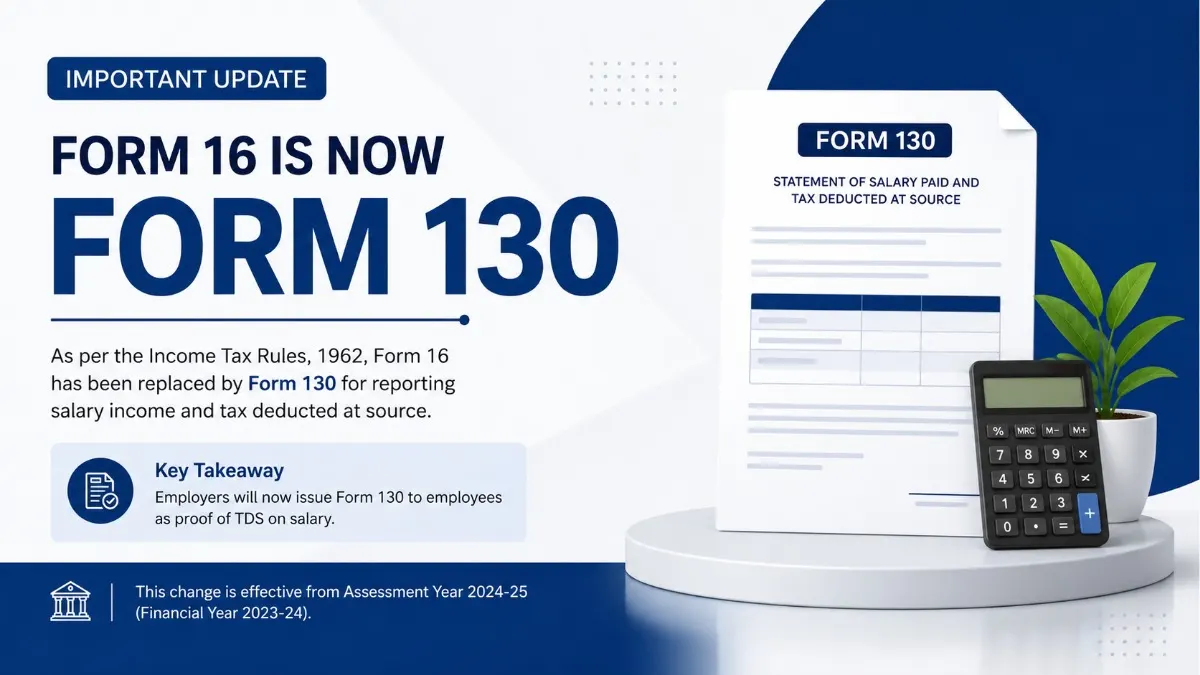
In Form 16, employers typically exclude such reimbursements from taxable income. They may, however, include a disclosure note in the perquisite annexure stating — “Mobile & internet reimbursements exempt under Rule 3(7)(ix) for official use.”
This ensures transparency during tax assessments while keeping employee benefits fully compliant.
Also Read: Tax-Free Benefits from Provident Funds and Sukanya Samriddhi Account
What If There’s No Proof?
The tax department has made its stance clear: without documentary support, the reimbursement becomes taxable. In several cases, assessing officers have added such reimbursements back to income when the company failed to show proper evidence of official use.
Hence, even a simple email declaration or monthly bill copy can go a long way in keeping your exemption secure.
A Practical Illustration
Neha, a senior manager at a consulting firm, uses her mobile & home Wi-Fi for daily client calls & Zoom meetings. Her monthly phone bill is ₹1,800, and her broadband bill is ₹1,200.
The company reimburses ₹3,000 after verifying her bills. Since the usage is work-related, the entire reimbursement is exempt from tax.
Had the company instead paid her a ₹3,000 “communication allowance” every month, the full amount would’ve been taxable.
Same cost. Different treatment. Big impact.
Why It Matters in Salary Structuring
For employers, designing tax-efficient salary packages is an art. Adding a mobile reimbursement component helps reduce taxable salary without increasing total cost to company (CTC).
Employees, on the other hand, enjoy a real financial advantage. Over a year, even a ₹2,000 monthly reimbursement saves tax on ₹24,000 — which could easily translate into ₹7,000–₹8,000 of net savings depending on the slab.
Compliance Tips for Employers
- Use standard reimbursement forms instead of paying as “allowance.”
- Make sure the amount is reimbursed only after bill submission.
- Store records digitally for at least eight years."
- Mention the exemption reference (Rule 3(7)(ix)) in internal HR policies.
These small compliance steps ensure smooth audits & zero disallowance risks later.
Also Read: Leave Encashment and Tax Relief
Key Takeaways
|
Particulars |
Details |
|
Relevant Section |
Section 10 of the Income Tax Act, 1961 |
|
Specific Rule |
Rule 3(7)(ix) of the Income Tax Rules |
|
Covers |
Mobile, telephone, and internet reimbursements |
|
Nature of Benefit |
Non-taxable if incurred for official work |
|
Proof Required |
Yes — bills, declarations, and approvals |
|
Applicable Regime |
Both old & new tax regimes |
|
Best Practice |
Claim actual reimbursements, avoid flat allowances |
Conclusion
Mobile and internet reimbursements are one of the simplest yet most effective tax-saving tools for salaried employees. They bridge the gap between modern work realities & traditional tax structures. If your organisation reimburses communication expenses based on actual usage, you don’t owe any tax on it — provided the bills and purpose are clear. However, many companies still treat it as a monthly allowance, unknowingly increasing both the payroll tax & employee burden.
If you’re unsure how to structure or claim mobile reimbursement correctly, our experts at CallMyCA.com can help you design compliant salary policies, validate documentation, and ensure your tax file stays clean.