Every salary slip has small heads — travel, uniform, conveyance, maybe even research allowance. These aren’t random figures. They’re allowances, and each is treated differently for tax.
To bring clarity, the government added Section 2BB to the Income Tax Act. It tells us what qualifies as a prescribed allowance & how it connects with the exemptions in other sections like 10(14). Without it, each employer would have defined allowances differently, creating chaos at tax-filing time.
What Exactly Section 2BB Covers
At its core, Section 2BB simply defines the term prescribed allowances, by whatever name called. It means any payment an employee receives to meet expenses directly linked to their work — like travelling for office duties or maintaining a uniform.
But note — Section 2BB doesn’t itself give you a tax break. It only identifies the category. The actual exemption limit is mentioned under Section 10(14) read with Rule 2BB.
Why the Definition Matters
Earlier, companies often renamed the same benefit differently — for instance, fuel benefit or motor reimbursement — making it unclear which part was taxable. Section 2BB brings everyone under one definition.
It ensures that genuine reimbursements related to your job duties don’t get unfairly taxed while preventing employers from masking extra salary as “allowance.” In short, it keeps the system fair & consistent.
Main Types of Allowances Under Section 2BB
When the law says “prescribed allowances, by whatever name called,” it’s essentially grouping all work-linked allowances. Some of the most common include:
- Conveyance Allowance: for daily travel between home and office.
- Travelling Allowance: for official tours or field visits.
- Uniform Allowance: to maintain the uniform required for duty.
- Academic or Research Allowance: for teachers, professors, or research staff.
- Daily Allowance: to meet food & stay costs when working away from headquarters.
Each has its own cap and conditions under Rule 2BB.
Also Read: Tax-Free Allowances Explained for Employees
Conveyance Allowance — ₹1,600 Per Month Exemption
Let’s start with the most common one.
The conveyance allowance exemption limit is ₹1,600 per month (₹19,200 per year). This benefit is available only if you’re under the old tax regime.
It’s meant to offset the cost of commuting from home to office. If you switch to the new regime, you lose this exemption because the new system replaced small allowance benefits with lower flat tax rates.
Transport Allowance — Fully Taxable Now
Earlier, many employees received both conveyance & transport allowances. Today, transport allowance is fully taxable for all employees in both tax regimes, except for persons who are blind, deaf, or orthopedically handicapped — they still get a higher exemption limit.
For others, the allowance simply adds to taxable income. The change was introduced to simplify salary structures & move away from small piecemeal exemptions.
Other Allowances You Should Know
Section 2BB also covers a range of work-specific allowances:
- Uniform Allowance – exempt if spent on official uniforms.
- Travelling Allowance – exempt for documented official travel."
- Research Allowance – exempt to the extent used for research.
- Daily Allowance – covers food & stay costs while on duty outside headquarters.
Any unused portion becomes taxable salary.
Section 2BB vs Section 10(14)
People often mix these up. The difference is simple:
- Section 2BB tells you what counts as an allowance.
- Section 10(14) tells you how much of that allowance is exempt.
For example, the definition of conveyance allowance is in Section 2BB, but the ₹1,600 limit appears under Section 10(14)(i) and Rule 2BB(1).
Role of Rule 2BB
Rule 2BB of the Income Tax Rules expands on Section 2BB by listing specific allowances & their conditions for exemption. It includes helper allowance, research allowance, uniform allowance, and more.
Employers use Rule 2BB to structure salaries & deduct TDS accurately. Without this rule, the section would just define allowances but not show how to apply the exemptions.
Impact on Salaried Employees
For most employees, Section 2BB quietly improves take-home pay. Even small exemptions add up.
For instance, if you claim ₹1,600 per month under the old regime, you save around ₹5,700 a year (at 30 % tax rate).
That might not change your budget overnight, but combined with HRA, LTA, and other benefits, it adds up to meaningful tax savings.
Also Read: Tax-Free Allowances for Work-Related Expenses
Old vs New Tax Regime
|
Allowance Type |
Old Regime |
New Regime |
|
Conveyance Allowance |
Exempt up to ₹1,600 / month |
Fully taxable |
|
Transport Allowance |
Exempt only for disabled employees |
Fully taxable |
|
Uniform Allowance |
Exempt if spent for official use |
Fully taxable |
|
Travel Allowance (Official Tours) |
Exempt if supported by bills |
Limited and document-based |
Under the new system, almost all these small reliefs are gone. You get lower tax rates instead. So if you have multiple allowances & keep records, the old system may still be better for you.
Examples
Example 1:
Sneha receives ₹1,600 per month as conveyance allowance. Under the old regime, ₹19,200 is fully exempt. Under the new one, it’s taxable in full.
Example 2:
A professor earns ₹5,000 as research allowance but spends ₹4,200 on books. Only ₹4,200 is exempt; ₹800 is taxable.
Simple examples like these show how documentation and choice of regime affect tax outcomes.
For Employers
Companies need to structure salary break-ups correctly.
They should:
- Identify which components fall under Section 2BB.
- Maintain expense proofs or employee declarations.
- Deduct TDS as per the employee’s chosen tax regime.
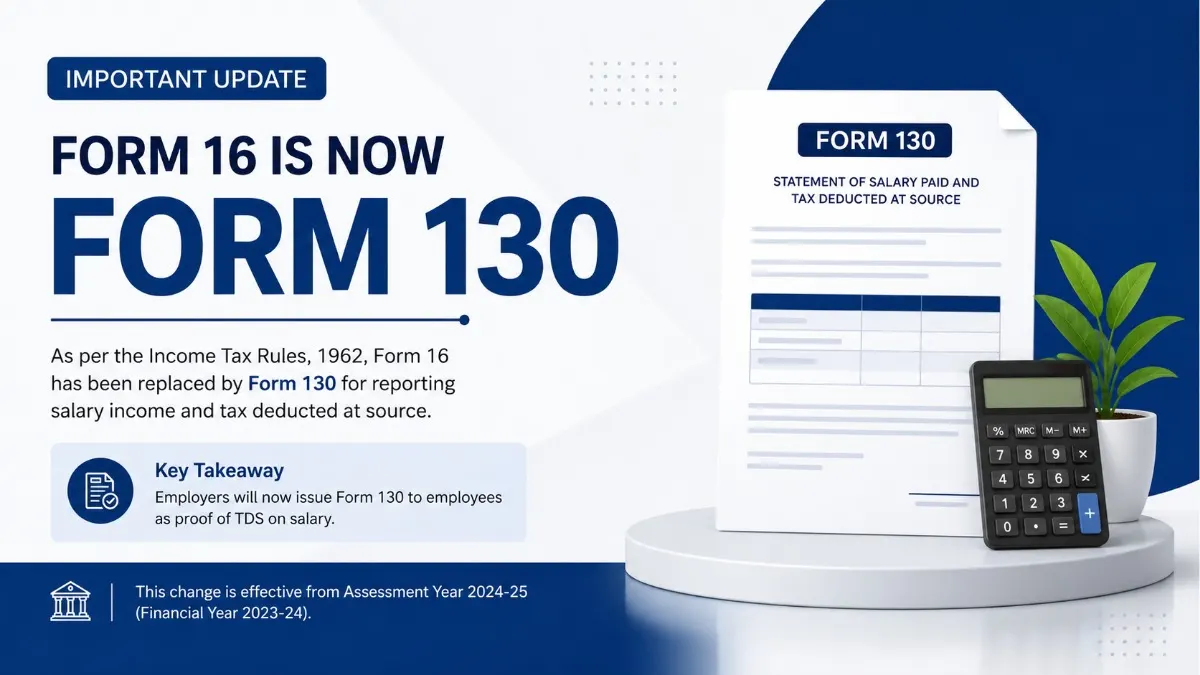
Getting this wrong can cause Form 16 mismatches & notices later.
For Employees
Here’s how to make the most of Section 2BB:
- Review your salary structure every year.
- Keep bills for travel, uniforms, or books if you claim related allowances."
- Compare the two tax regimes before filing your return.
A bit of planning can make your allowances work for you instead of against you.
Also Read: Tax-Free Benefits from Provident Funds and Sukanya Samriddhi Account
Quick Reminders
- Reimbursements aren’t the same as allowances — they don’t fall under Section 2BB.
- Any unspent allowance becomes taxable.
- Changing tax regime mid-year may affect eligibility.
Always check your Form 16 & discuss with a CA if you’re unsure how an allowance has been treated.
Summary Points
- Section 2BB defines prescribed allowances by whatever name called.
- It helps provide exemptions for various allowances and perquisites given to employees.
- Conveyance Allowance up to ₹1,600 per month is exempt only under the old regime.
- Transport Allowance is fully taxable for all employees in both regimes (except disabled persons).
- Rule 2BB lists the details & conditions for each allowance.
Conclusion
Section 2BB may look technical on paper, but it’s a real money-saver for anyone drawing a salary. Knowing which allowances qualify & how to claim them correctly can reduce your tax outgo without bending any rules.
If you’d like to optimize your salary structure or understand which regime suits you best, talk to our experts at CallMyCA.com. We’ll review your payslip, apply the right exemptions, and file your return with complete accuracy — so you keep more of what you earn.